K&K Sales Systems
K&K K&K Sales SystemsSales System Install Apply →

We install the sales system and hire, ramp and manage the reps who run it, so the month closes without you on every call.

Watch first
Client results

One month after the install, cash collected doubled.

Elias MüllerFounder, Truss (formerly Pace Collective)
Before€22.9k/mo
→1 month
After€46.8k/mo

Three setters, but only one of them was performing. Nothing was tracked, and most of the calls that got booked were not qualified.

BeforeThree setters, one performing. No CRM, no tracking, most bookings unqualified.
FirstTracking for every stage, and every rep's conversations under review.
ThenNew DM, triage and handoff frameworks. Existing reps retrained, a hiring pipeline opened.
Didn't workForcing the new frameworks in. What worked: earning each rep's trust first.
After€22,850 in July, €46,800 in August, €41,000 in September.

The full story is in the video above, in Elias' own words.

How we count: We count cash collected, not booked revenue. We count only the months in which we ran the team. And we take the numbers from the founder's own books, not from our dashboard.
Truss · cash collected
€22,850
BeforeAfter 1 month

From the founder's own books. Cash collected, not booked revenue.

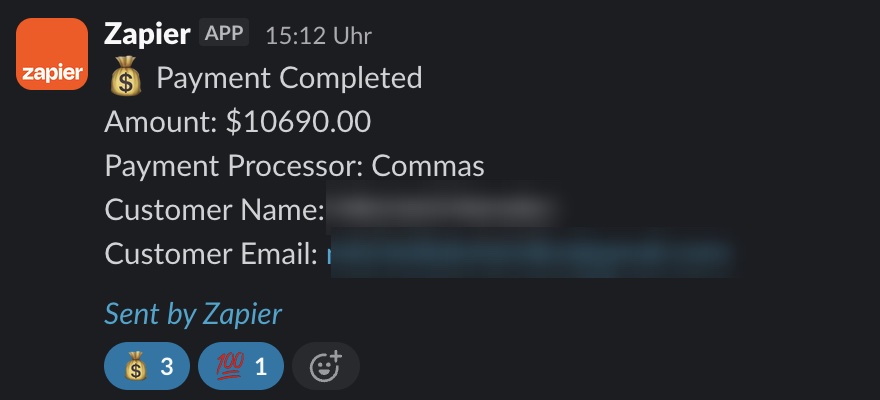
Payment received: 10,690 dollars, paid in full
Paid in full · deal 1
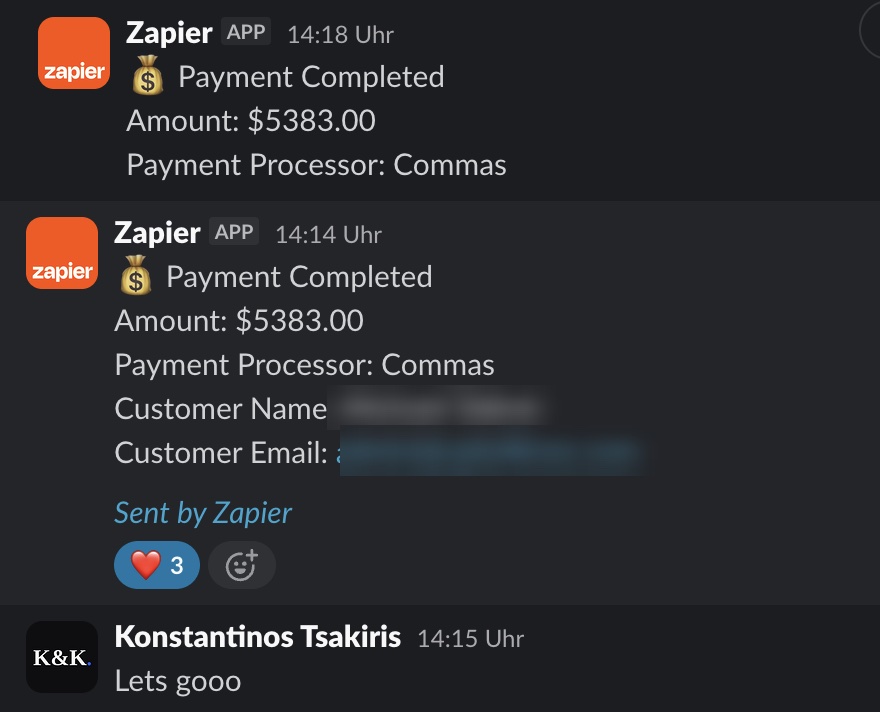
Payments received: two times 5,383 dollars
Paid in full · deal 2

The first two qualified calls after we reset the triage frame: two $10k deals, both paid in full. Customer names removed.

In writing, before we start: your qualified booking rate goes up within 60 days against the baseline we measure in the first two weeks, or we keep working with your team at no cost until it does.

Find your constraint in one call.

→ Book your Sales Diagnosis
KTKN
You work with the two of us directly.There is no junior team between you and us.
Run the diagnosis on yourself

Five questions most founders answer with a guess.

Be honest with each one. If you would need to open three tabs or ask your setter, mark it as a guess.

  1. 01

    If you stepped away for two weeks, how much of this month's revenue would still close?

  2. 02

    When did you last listen to one of your setter's calls from start to finish?

  3. 03

    What happens to the people who say no? Who follows up, and when?

  4. 04

    What is your show rate today, and what was it 60 days ago?

  5. 05

    Which of your setters brings in the most cash per booked call?

What a call review looks like

Most setters lose the call by talking too much.

Reps are afraid of silence, so they fill it with statements. Every statement needs another one to back it up, and the call turns into a pitch nobody asked for. This is the pattern we fix first.

A triage call between a setter and a prospectA composite of calls we have reviewed, names removed
ProspectI'm at about 15k a month right now, mostly from referrals.
SetterThat's great! So what we do is we help people exactly like you scale with a proven system, and we've worked with a lot of coaches in your space…This is a statement, not a question. The setter never found out why referrals stopped being enough.
ProspectOkay. How much is it?
SetterSo it really depends, but honestly it's an investment that pays for itself, because the system is…A second statement to rescue the first one. The price is now on the table with no problem attached to it.
Rewrite"Fifteen from referrals is solid. What made that stop being enough?" Then silence.The same moment after the review. One question, and the prospect explains the problem himself. Every rep gets this, every week.
a statement rescue statement another one… a pitch nobody asked for

The statement spiral

Ask, then hold the silence.The question that matters comes after the answer. "What made referrals stop being enough?" does more than any pitch.
The setter decides who gets on the calendar.The frame flips from "let me convince you" to "let me see if this makes sense for you." Qualified prospects lean in. The rest filter themselves out.
The closer never starts from zero.The setter runs discovery and hands over notes. At Truss, this one change is where the two $10k paid-in-full deals came from.
The Sales System Install

What gets installed in 30 days.

The same five steps, in the same order, every time. Training a rep on top of numbers you can't trust is guessing, so we start with the data and build upward. The systems are live within five days. Hiring your reps and ramping them to their numbers takes the rest of the month.

  1. Step 1Audit the dataWhat gets tracked, what doesn't, and where interested leads go missing between first message and closed deal.
  2. Step 2Review every repWe listen to their calls and read their conversations before we change anything.
  3. Step 3Rebuild the frameworksDM scripts, triage calls and the handoff from setter to closer, built from what actually closes in your business.
  4. Step 4Hire and rampNew reps through a pipeline, each with a structured ramp, a KPI and a date to hit it.
  5. Step 5Manage to the numberWeekly call reviews, one-to-ones and targets, until the standard holds when you aren't in the room.

Everything we build lives in your workspace from day one. If we ever stop, you keep the system, not an invoice.

Who installs this with you

Two operators. No junior team in between.

Konstantinos Tsakiris
Konstantinos TsakirisCo-founder, runs the sales floor

Konstantinos works on the sales floor with your reps every day. He hires them, ramps them, reviews their calls and runs the one-to-ones. Before K&K he led a team at one of Germany's largest financial advisory firms. Across the teams he has led and run for clients, he has generated more than €600k in sales revenue. Today he runs the sales team at Truss.

€600k+Sales revenue generated, own and client teams
Photo
Khoi NguyenCo-founder, revenue strategy & operations

Khoi focuses on the revenue strategy and systems behind the sales floor. He connects acquisition, qualification, pipeline management and follow-up, so opportunities move consistently from first interest to closed business.

His work spans sales operations, automation and performance tracking, giving founders clearer visibility into their business and giving sales teams a repeatable process to execute.

Revenue opsAcquisition · Pipeline · Systems
End-to-endFrom first interest to close

Most sales trainers sell you a script and a Slack channel. A script doesn't hold a seat accountable at nine on a Tuesday morning. Management does. That's the part we install, and we only count revenue we actually influenced, inside the engagement window.

For founders with setters on the team:

We install the sales team your business is missing, so you scale further without taking every call yourself.

Book a Sales Diagnosis to see how we would install it in your business: installed in 30 days, run with you for 90. On the call we name the one constraint capping your revenue, and if it is not a fit we will tell you straight.

How it works

The questions founders ask first.

What is the Sales System Install, and what actually gets installed?

A sales team that runs to a standard. The systems are live within five days, your reps are hired and ramped within the first 30, and we run it with you for 90. It is yours to keep at the end. The pieces work as one machine:

  • Tracking by stage, so every decision is made on numbers, not feel.
  • Frameworks for DMs, triage calls and the setter-to-closer handoff, built from what actually closes in your business.
  • A hiring and ramping pipeline that brings in new reps every one to two weeks, each with a structured ramp, a KPI and a date to hit it.
  • A management cadence of call reviews, one-to-ones and weekly targets, so the standard holds when you aren't in the room.
What is your approach to fixing a sales team?

The same five steps, in order. Training a rep on top of numbers you can't trust is guessing, so we start with the data and build upward. The systems are live within five days. Hiring your reps and ramping them to their numbers takes the rest of the month.

  1. Audit the data. We find out what gets tracked, what doesn't, and where interested leads go missing.
  2. Review every rep. We listen to their calls and read their conversations. Each rep submits batches of ten conversations for review.
  3. Rebuild the frameworks. We rebuild the DM scripts, the triage calls and the handoff from setter to closer, based on what actually closes in your business.
  4. Hire and ramp. We bring in new reps through a pipeline, and each of them gets a KPI and a date to hit it.
  5. Manage to the number. We run weekly call reviews, one-to-ones and targets until the number holds on its own.
How do you measure success beyond close rate?

Close rate alone hides too much. The number we move is cash collected, because it captures show rate, close rate and price held together. Underneath it we track the inputs that produce it: conversations started, qualified calls booked, show rate, cash collected per booked call, and how fast a new rep reaches KPI. You see all of it in the tracker, not at month-end.

How do you work with me and my existing team?

It is co-installed, not done for you. Two working sessions a week with you, plus the decisions only you can make. The daily work with your reps is ours. Your existing reps are trained, not automatically replaced: the diagnosis decides who stays and who is coached up. Every session is with the two of us directly. There is no agency and no junior team in between.

What kind of business is this for?

High-ticket offers sold on calls, run by a founder doing roughly $20k to $100k a month with at least one setter or closer on the team, or a serious attempt at one that didn't stick. The offer has to sell already when you take the call yourself. The one place this doesn't work is an offer nobody has bought yet: sales systems amplify what's already working, and we will tell you on the call if that is the real problem. Under $20k and still closing every call yourself? Apply anyway. We'll tell you if it's too early.

What happens on the Sales Diagnosis call?

We go through your funnel and your numbers with you, stage by stage, and name the one constraint capping your revenue, specific enough that you will know on the call whether we are right. If the install is a fit from there, we show you how it would run in your business: installed in 30 days, run with you for 90. If it is not a fit, we tell you straight, and you still leave with your real constraint named.